Chapada dos Veadeiros is a land where earth, water, and sky intertwine in an infinite flow of connection.
This photographic series was born from an immersion in that landscape, inspired by a visit to Quilombo Kalunga—the largest quilombola community in Brazil. A place rich in history, where traditions, customs, and a way of life are preserved and passed down through generations.
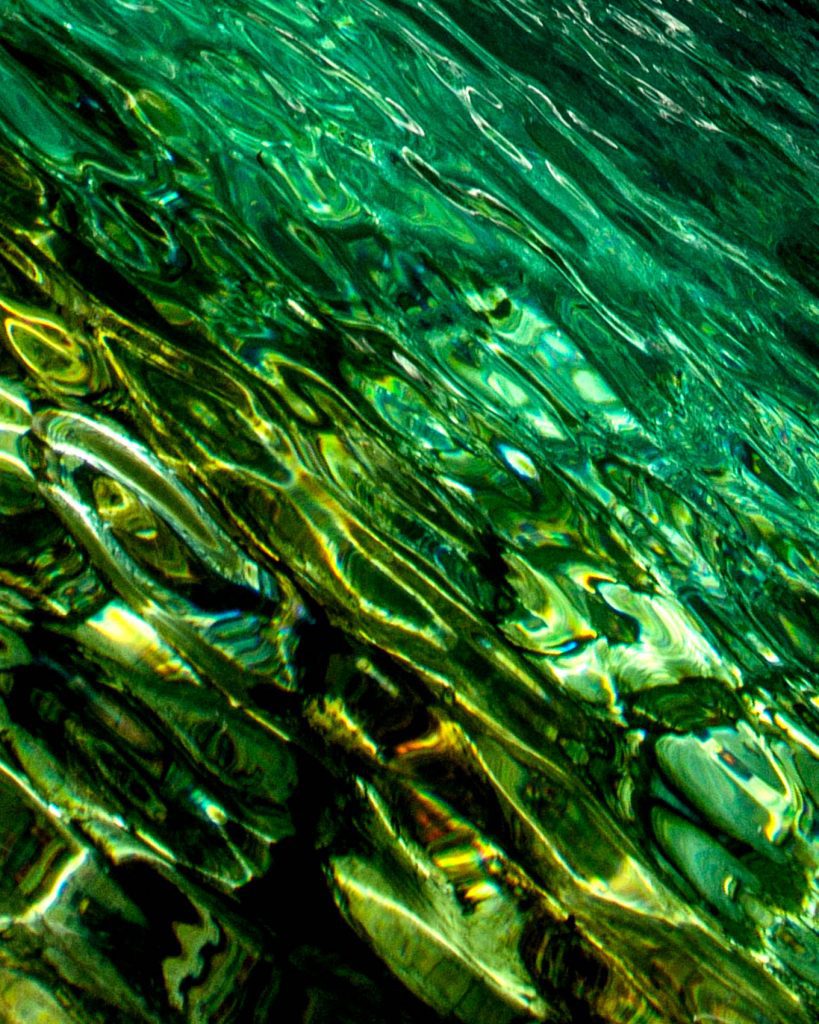
It was also within Kalunga territory that I discovered one of the most breathtaking waterfalls I’ve ever seen: Santa Bárbara Waterfall. A true natural spectacle, with turquoise-blue waters so clear they seem unreal—an irresistible invitation to dive in and forget about time.
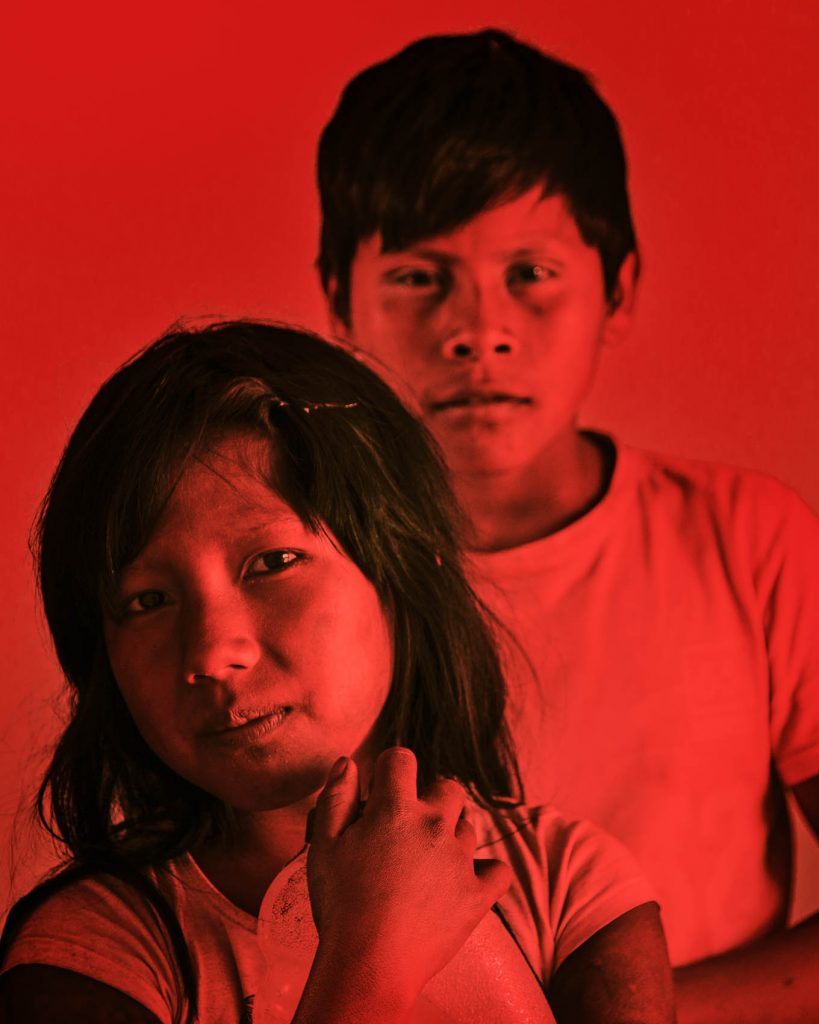
Here, two childhoods remind us that the present carries the past and shapes the future. They are heirs of stories and guardians of knowledge, a people who persist. They embody time in their skin, in their songs, in their gaze.
The Krahô, who live in northern Tocantins and are part of the Timbira nation, reveal in their bodies the ancestry that shapes them.
Their body paint is more than adornment—it is ritual, protection, belonging. The natural pigments—urucum, genipap, and charcoal—tell of clans, life cycles, and a deep connection with nature.
To document the journey of Indigenous peoples is to recognize other ways of knowing, living, and existing.
With only two centuries of contact with the white world, the Krahô stand strong—with their feet on the earth and their eyes on time.
And so, their children grow without forgetting who they are or where they come from.
In the stillness of the moment, the tree breaks free from the limits of the real and surrenders to movement.
Its branches, once firm, now float like living brushstrokes in the air. Light slides through the forms, tracing invisible paths, turning matter into rhythm.
Here, the focus is not on rigid contours, but on the fleeting impression of motion. Like a dream, reality dissolves into golden streaks, blues, and shadows that dance.
Abstract photography is not about capturing what exists, but about feeling what transforms.
And so, the tree becomes a dance, and the image, poetry.
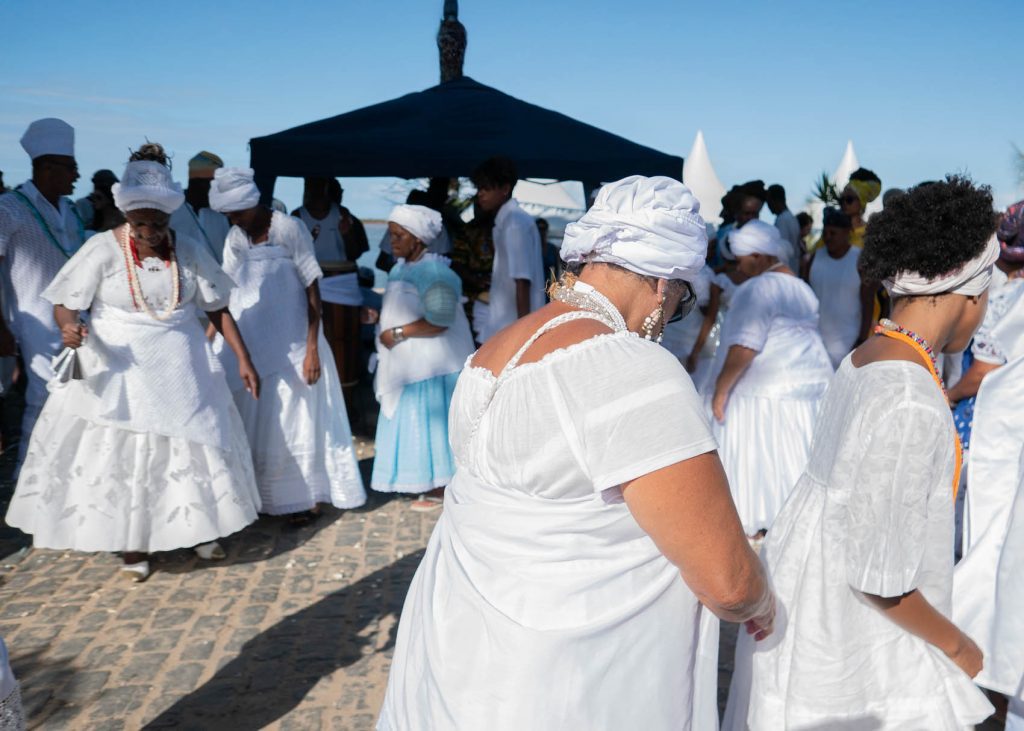
In this photographic series, the Baianas of Candomblé dance Bahia’s February 2nd with the lightness of waves and the firmness of roots that do not bend. Dressed in white, with skirts spinning like tides and necklaces bearing ancestral memories, they walk the stone streets as if each step were a prayer.
They are moving prayers, embroidered with axé, guardians of a faith that has crossed centuries. On Iemanjá’s day, they spread the blue magic of a people who dance, sing, and honor their history.
With every gesture, they remind us that Bahia cannot be explained—it must be felt. Because the Baianas are mystery, strength, and enchantment. They are the sacred that dances between two worlds.
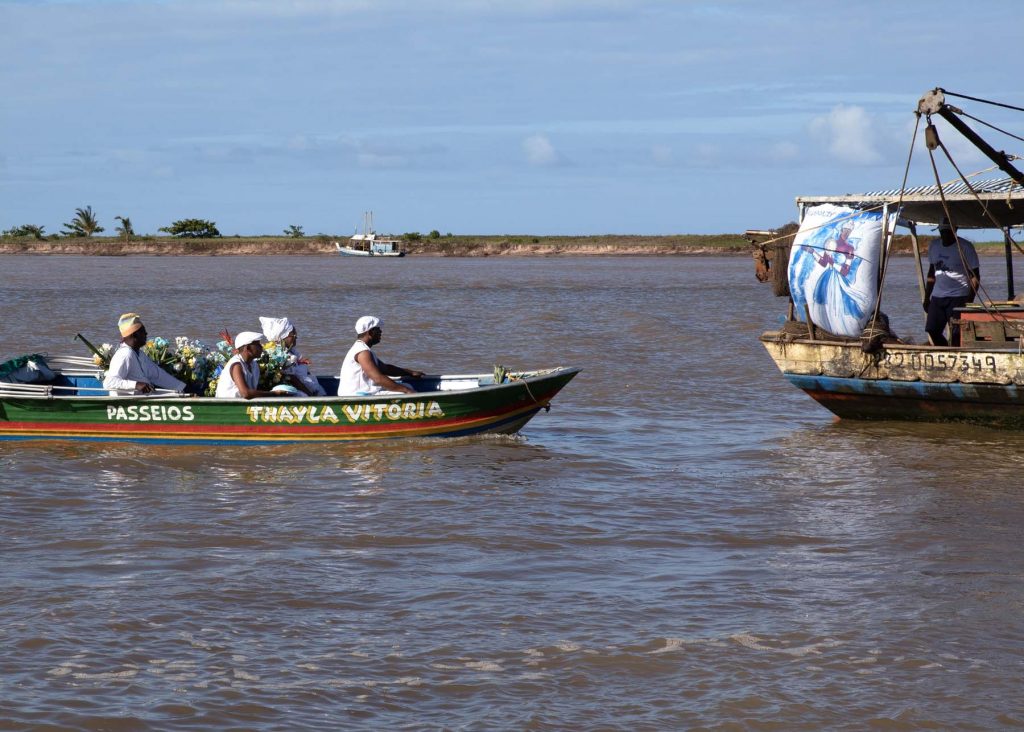
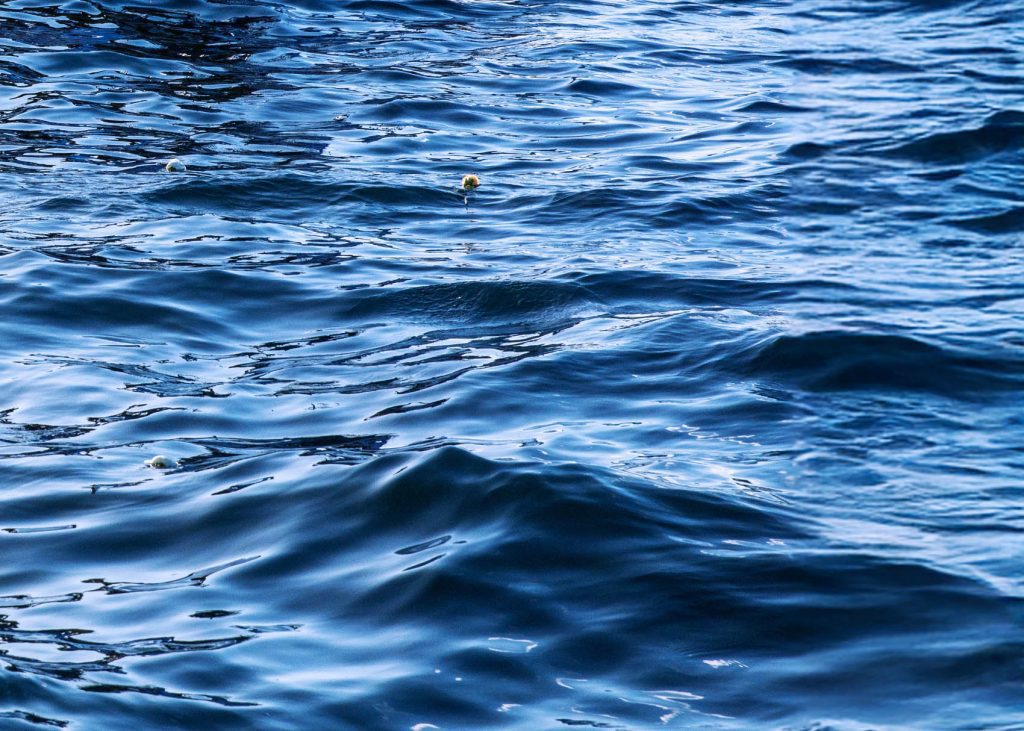
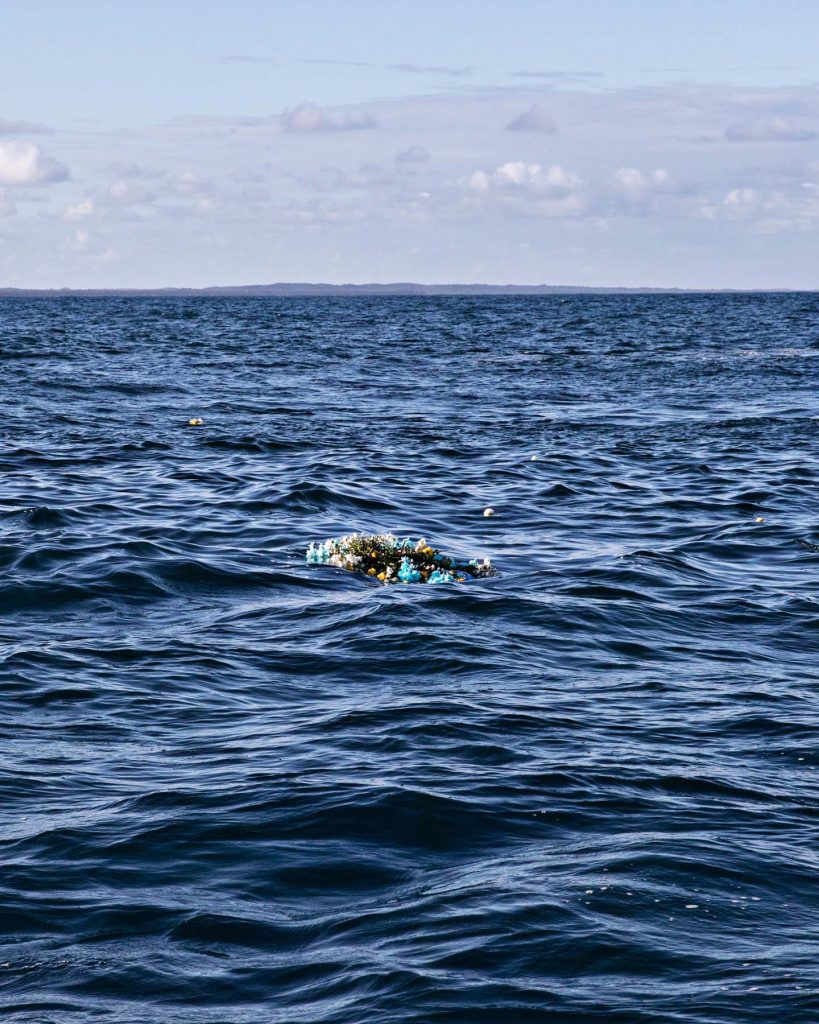
On February 2nd, in Bahia, boats set sail slowly, laden with flowers, perfumes, and promises. They cross the sea like liquid prayers, offerings to Iemanjá: lady of paths and secrets.
On this day, the sea does not divide. It unites. It is embrace, passage, destiny. Every boat drifting from the shore carries the most intimate of silences: wishes, gratitude, longing.
There is something sacred in the ballet of waves against the hulls, in the wind that propels, in the chant that follows. These are gestures of faith that need no words—for here, everything is understood with the body, with the heart, with time.
The sea is the path traveled by the children of Iemanjá. Love is their language.
Flowers, perfumes, and mirrors glide across the waters like secrets…
In the sway of the waves, the mother embraces them with her salty embrace and tides of wisdom.
This is more than a conversation between mother and children; it is a bond that transcends the visible, an act of faith.
Between the shadows of bridges and the silence of gondolas, Venice embodies what the world has forgotten to be.
A place where every detail is an invitation to uncover hidden mysteries, whether in the colorful facades,
the stillness of the stone, or the charm of the narrow alleyways.
On the edges of its canals, time plays at standing still, and the bridges hold memories of a city that
floats and brings lightness to the soul.
In Venice, every step, every turn, and every click is an invitation to drift between dream and reality.
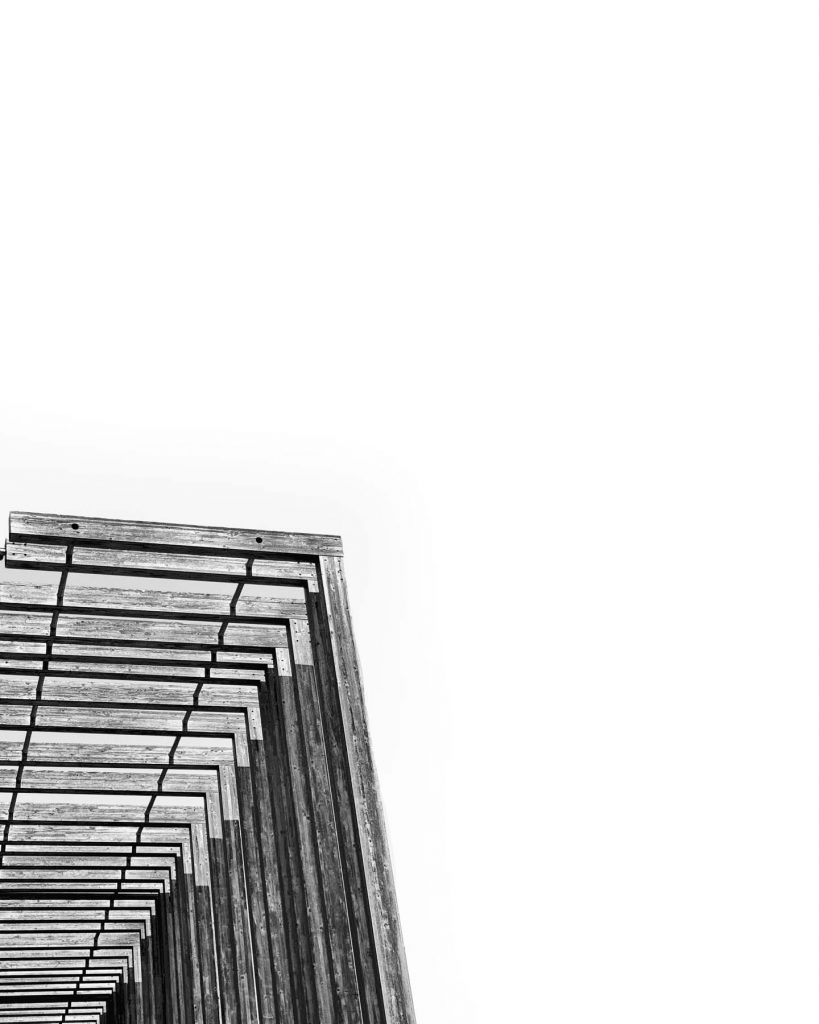
In the shadows of concrete, where urban chaos gives way to the stillness of lines, structural silences emerge. Each angle captured in black and white reveals more than shapes; it unveils the unspoken dialogue between light and shadow, between the city and those who inhabit it.
In the corners of glass and steel, hidden pauses reside—moments that echo suspended time. The buildings, towering and steadfast, whisper stories of permanence, resisting the frenetic rhythm pulsing below.
Black-and-white photography does more than document; it translates. It transforms visual noise into a moment of introspection, where contrast reveals the essential and emptiness becomes poetry. It is there, in the quietude of urban architecture, that the gaze finds rest.
We can feel when we’re living one of those moments that will mark us forever.
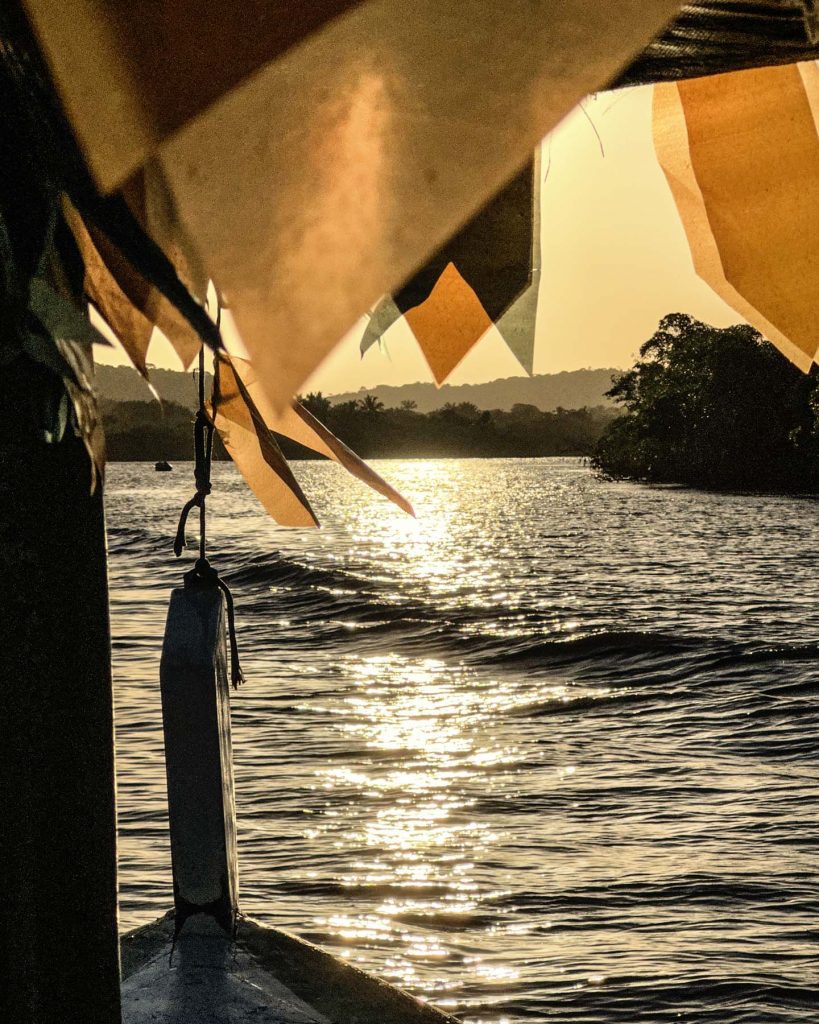
I realized this as I sailed up that river in southern Bahia, on a small fisherman’s boat, surrounded by an atmosphere of simplicity and brilliant colors.
Even while savoring every minute of that gift, I was instantly transported to my past when I noticed the pennants framing the landscape of that sunset.
Without realizing it, I shifted the camera shutter away from the horizon and started photographing the little flags being pierced by the sun’s rays, frenetically fluttering in the wind. Everything there seemed magical.
I believe this story reinforces something I feel about capturing moments, something that goes beyond technique, good equipment, timing, light, and place. I feel that photography, in the act itself, carries our own memories, important pieces of our history that have shaped who we’ve become and led us to where we are now.
A river mouth is where a river flows into the sea.
A meeting of fresh and salt waters.
One body flowing into another.
Boats sail through this encounter and drift apart.
Some, anchored, long to leave, while others wish to return. I long for movement.
I admire the audacity of those who come from a narrow, winding path and cast themselves into the infinite.
This series is a journey through narrow streets and alleys, where time seems suspended, and beauty can be found in the ordinary, art in the everyday, and poetry in the details.
These are stories of common life unfolding in a slow cadence, as if the rush of the modern world has no permission to enter.
Strolling through these streets casually is like diving into a book of living stories. Through the wooden doors weathered by time, each with its own charm, are portals that invite the imagination.
Each house is a universe in itself, a microcosm of emotions, dreams, and realities. And we, silent observers, are invited to witness and celebrate this constant dance between the private and the public, between being and seeming.
There are paths that ask us to slow down.
This series seeks to capture the essence of coastal serenity at the moment the sun disappears.
The combination of an inspiring light with a place that is pure poetry for the eyes.
The meeting of this land with the sea, blending into a fusion of colors that enchants the senses.
A beauty that can be called timeless.
Horizons seduce me because they carry the strength and calm that live in blue, a color that awakens infinities and immerses me in the immensity of the world.
It is a landscape that gives rest to the eyes and the soul.
A place to get lost or find yourself.
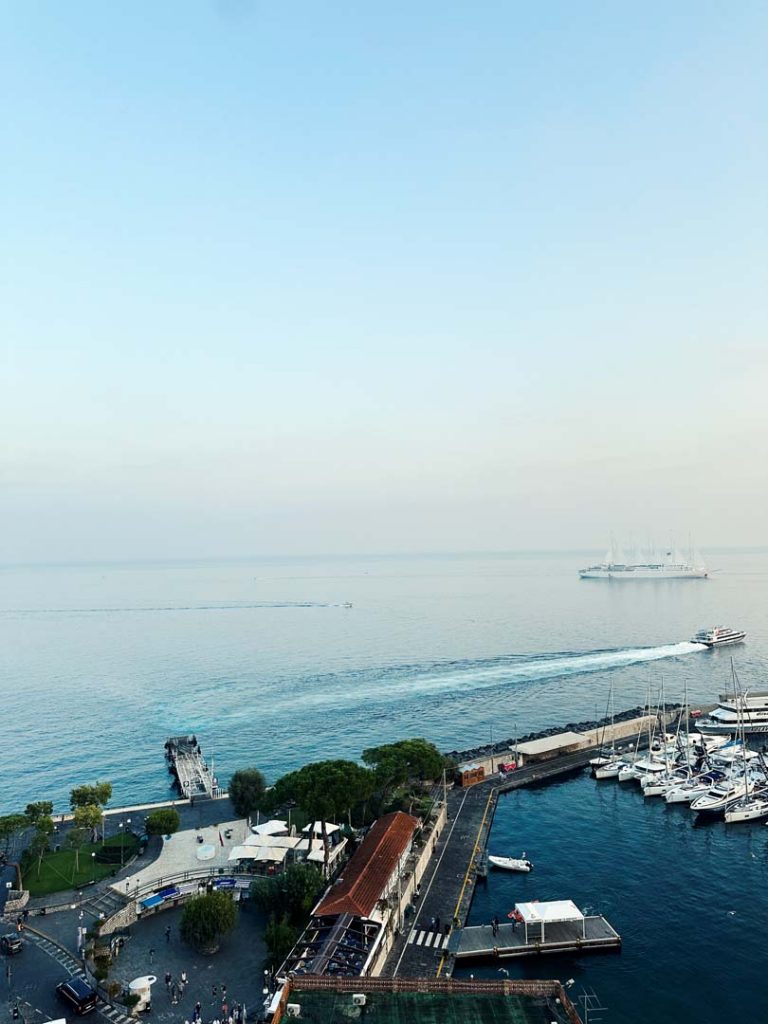
Observing the mist hovering over the sea is facing the mystery head-on.
It tells you secrets in layers and leads you to the place of imagination. They are particles suspended in the air, like dust, like us in this vastness.
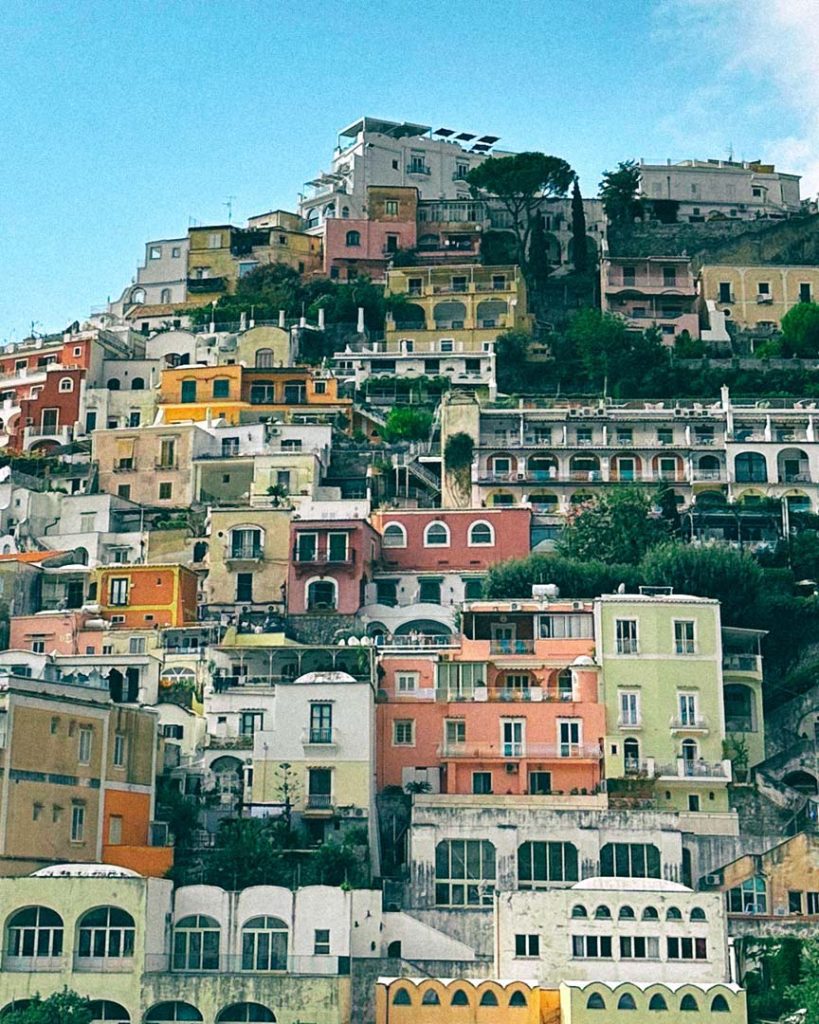
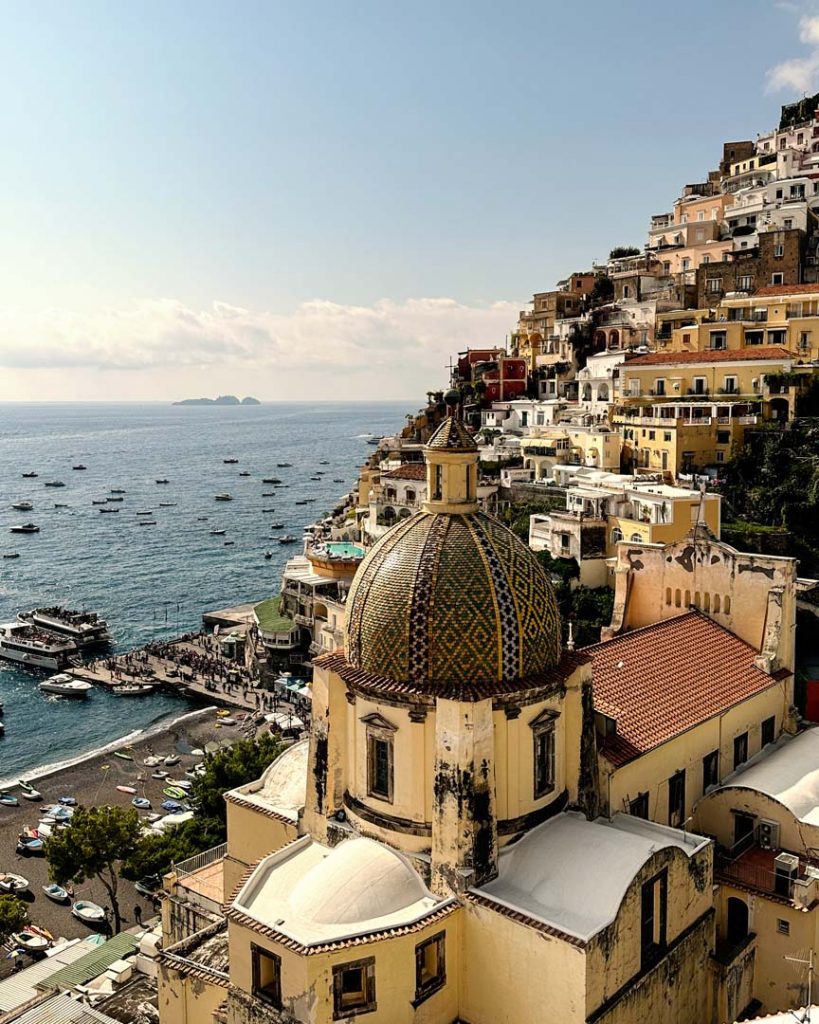
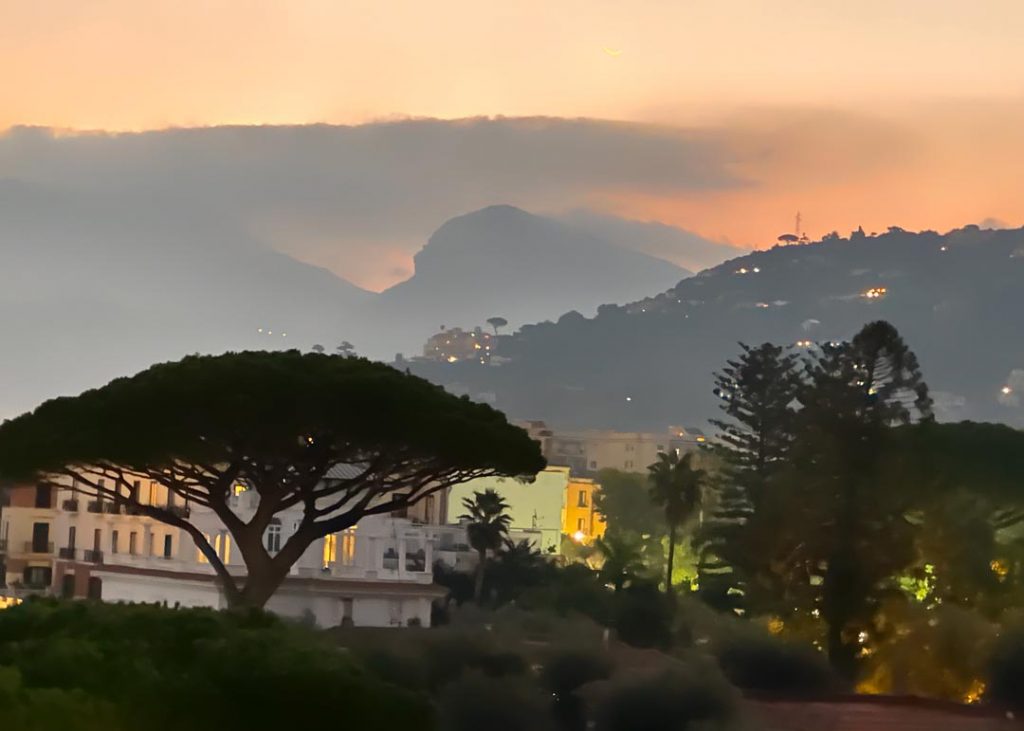
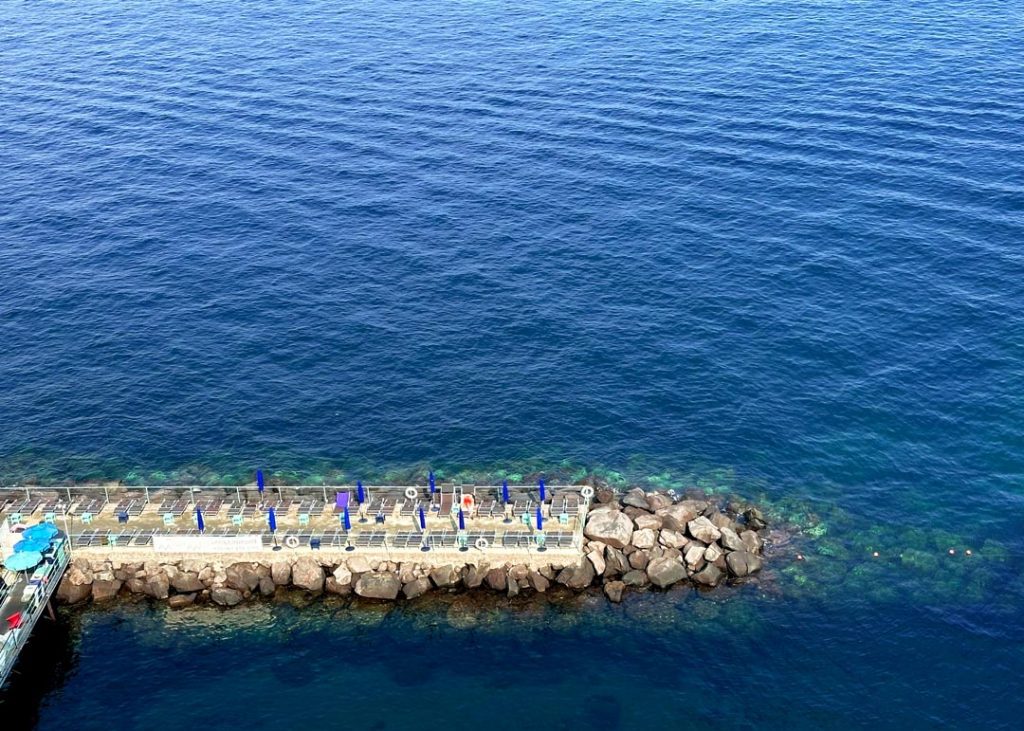
Sorrento is a coastal city in southwestern Italy, facing the Bay of Naples.
A charming place on the Amalfi Coast that seduces with its vibrant colors, whether of the sea, flowers, or its architecture.
There, life moves slowly, allowing us to navigate more attentively among its streets, alleys, mountains, and roads bordering cliffs with a sea view.
A true portal to see and feel the beauty of the world.
Calm for the mind. Breath for the soul. Peace in the heart.
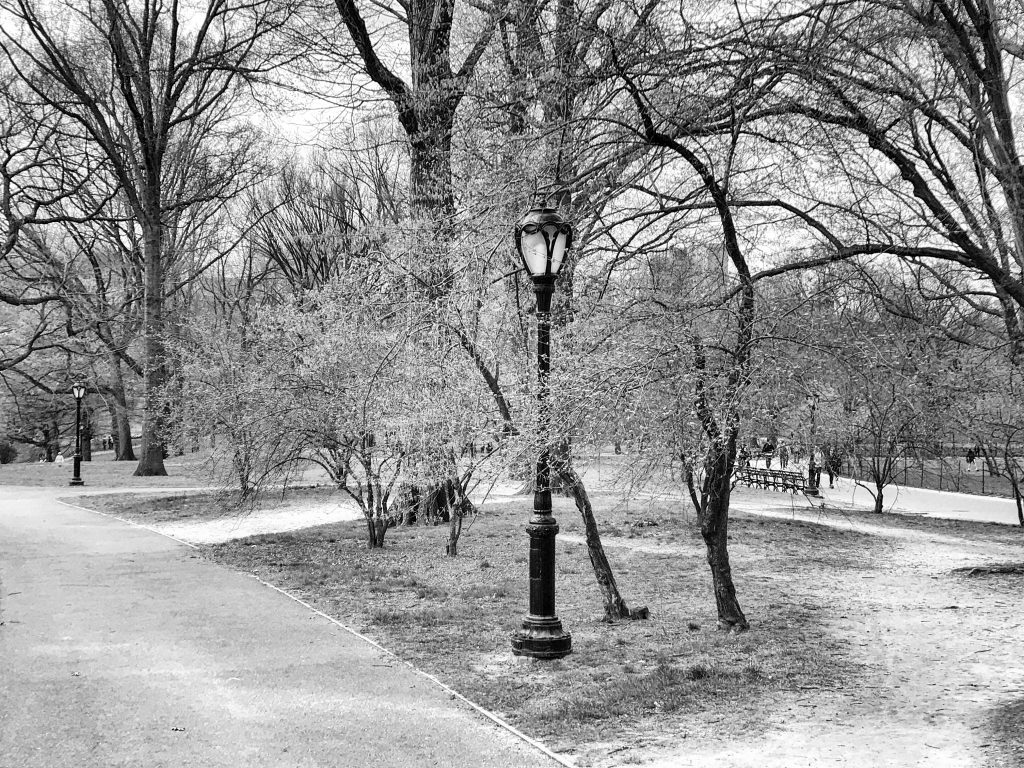
A park amidst the skyscrapers of New York.
Central Park represents a pause in frenetic lives.
And beauty in my path.
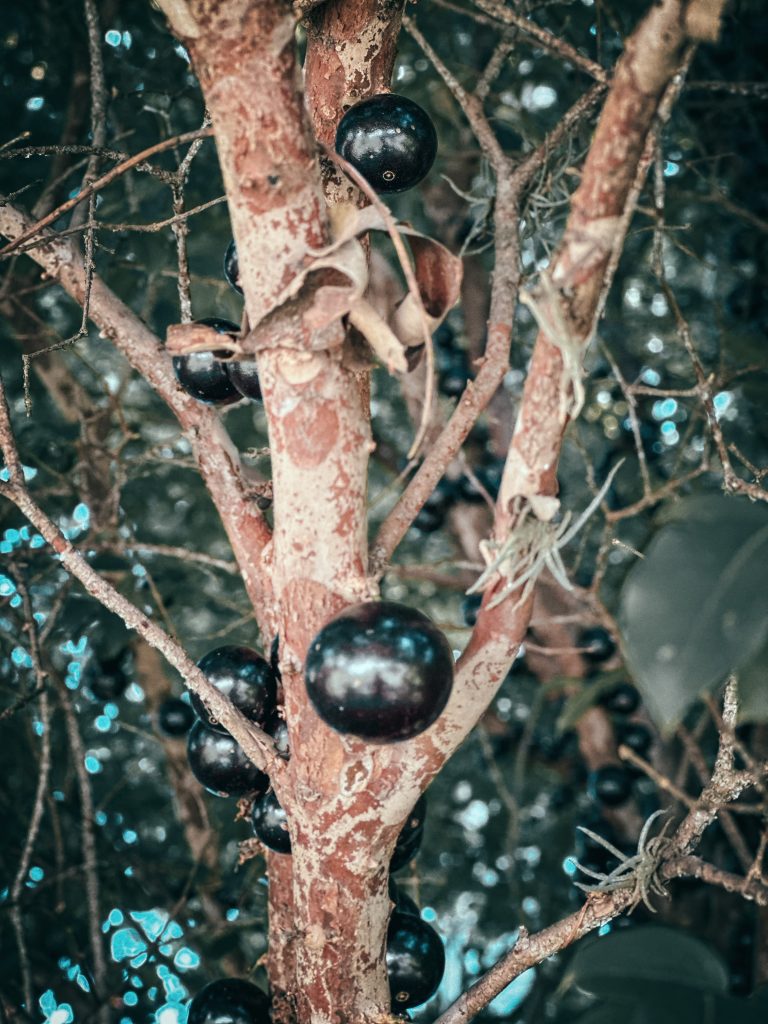
Among fruits, flowers, and leaves: ladybugs and an enchanted universe.
It seems like a distant world, but it’s right there in my garden.
Focus on what’s possible. Admire the achievable.
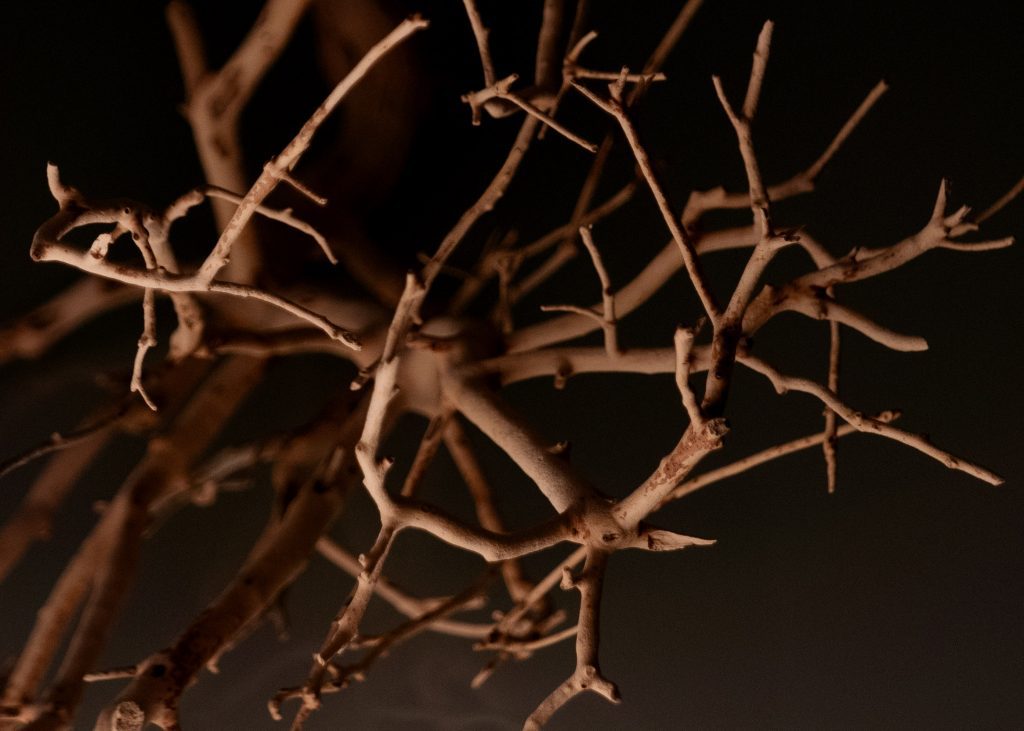
The dry branch that today lies on the table as an ornament,
once bore leaves, flowers, and fruits.
It was life, nourishment, and shade.
And before it was a branch, it was a trunk, root, and seed.
It was life, shelter, and foundation.
Today, it merely lies
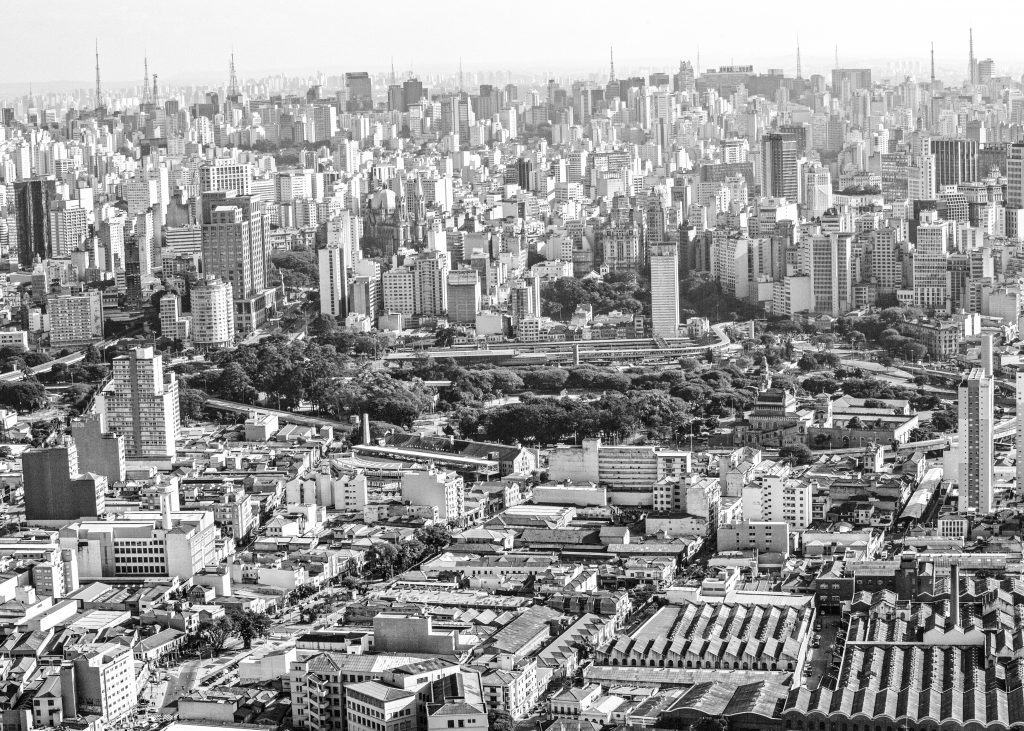
São Paulo is one of the most populous cities in the world.
Fascinated by this complexity, my lenses move between the macro and the micro and question:
High density and high solitude. How do they inhabit the same place?
So many minds, but they do not dialogue.
So many bodies, but they do not connect.
Thousands of self-absorbed worlds, which, even inhabiting the same room, will never meet.